
Most casting project delays don’t start on the foundry floor. They start in the buyer’s RFQ package — missing tolerances, vague material specs, drawings without critical dimensions. I’ve tracked enough delayed orders to know that by the time a foundry reports a schedule slip, the root cause usually traces back to something that could have been locked down weeks earlier.
Sand casting lead time is a cascading system. A two-week delay in pattern approval doesn’t just push the timeline by two weeks — it bumps your order behind other jobs in the production queue, pushes inspection into a busier window, and compounds into four or five weeks of total slip. The strategies that actually compress schedules focus on the stages you, the buyer, can control.
Where Sand Casting Delays Actually Start
Pattern and tooling development consumes 30 to 45 days on a typical new casting project — roughly 50 to 65% of total lead time. Production queue adds another 10 to 20 days. Molding, pouring, and inspection? About 10 days combined.
The tooling stage is long because it involves iteration between your engineering team and the foundry’s. The production queue is long because it depends on foundry capacity you can’t always predict. Everything downstream — molding, quality checks, packing — moves relatively fast when nothing upstream went wrong.
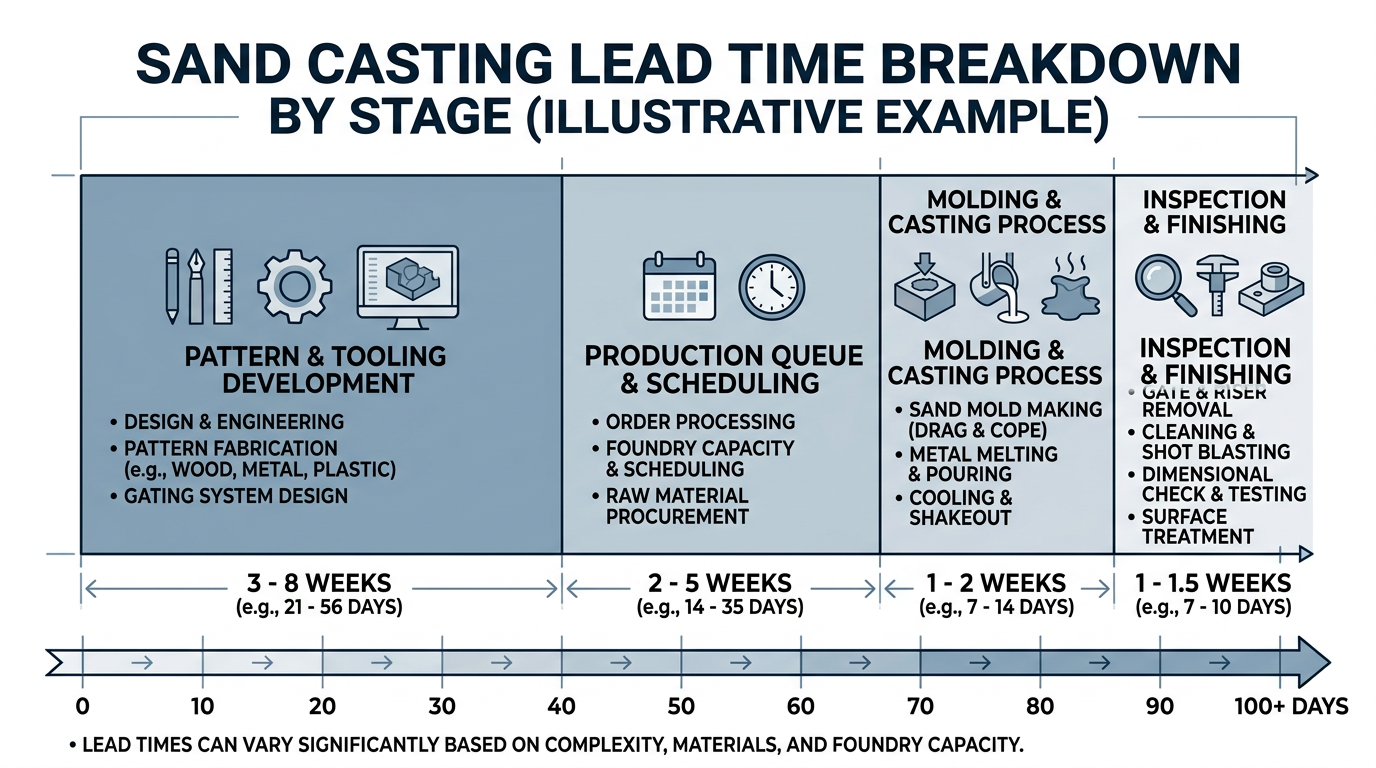
Most buyers focus their schedule anxiety on production. They call the foundry asking, “When will you pour my parts?” But the real question is whether the pattern was approved cleanly and whether the foundry had enough specification clarity to schedule production without back-and-forth.
The factors that influence sand casting lead times are well documented. What’s less discussed is which of those factors you can actually change — and the answer is almost everything that happens before the foundry starts cutting metal.
Lock Down Specifications Before You RFQ
Material and Tolerance Clarity
Specifying “iron” on an RFQ is like ordering “metal parts” — it forces the foundry to guess, and guessing adds days. Grey iron, ductile iron, and SG iron grades behave very differently in the mold, and each requires different gating, risering, and heat treatment. When the foundry has to come back asking which grade you actually need, you’ve just added a round-trip communication delay before work even starts.
The same applies to tolerances. If your drawing doesn’t specify which dimensions are critical versus which carry standard casting tolerance, the foundry either over-engineers the pattern (adding cost and time) or under-engineers it (triggering first-article rejection).
Drawing Completeness
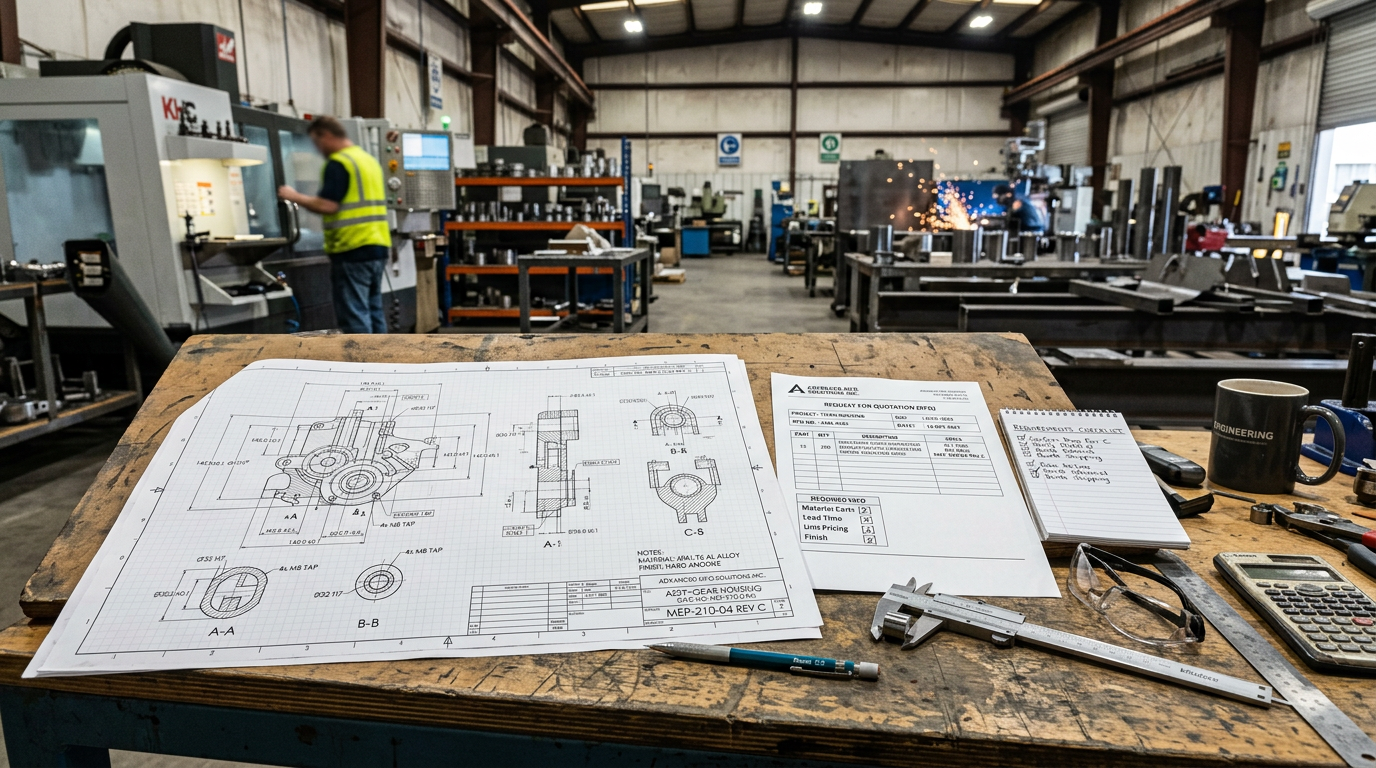
Across manufacturing sectors, incomplete specifications and design changes drive roughly 40% of project delays. In casting, that number feels conservative. An RFQ without a complete drawing — including section thicknesses, draft angles, and machining allowances — leads to guesswork that delays quoting alone.
With complete information, most foundries return quotes within 24 to 48 hours. Without it, expect multiple rounds of clarification that can stretch the quoting phase alone into weeks.
Before you RFQ, define your quality requirements on paper: material grade with specific standard (ASTM A536 65-45-12, not “ductile iron”), critical dimensions flagged, surface finish requirements by face, and any non-destructive testing requirements. This single step eliminates the largest source of preventable delay.
Compress the Tooling and Pattern Stage
DFM Review Before Tool Commitment
The costliest mistake I see is skipping the Design for Manufacturability review — or treating it as a formality after tooling is already underway. A proper DFM review with your foundry’s engineering team catches wall thickness transitions, undercuts, and coring challenges that would otherwise surface as pattern rework two months later.
Request the DFM review as a separate deliverable with its own timeline. Don’t let it get bundled into “we’ll figure it out during tooling.” A dedicated two to three day DFM review at the front end can eliminate a six to eight week rework cycle on the back end.
Shrinkage and First-Article Risk
Shrinkage is not a single number — it varies by section geometry, alloy, and cooling rate within the same casting. Cast steel runs around 2% linear shrinkage while ductile iron ranges from nearly zero to 1% depending on nodule count, but even within one alloy a thick boss connected to a thin rib contracts at different rates, creating stress and dimensional deviation that uniform shrinkage factors won’t predict.
When engineers apply a flat shrinkage number to complex geometry, they build in first-article rejection. Correcting a shrinkage-related dimensional failure means reworking the pattern — a 6 to 12 week delay on top of whatever timeline you already burned.
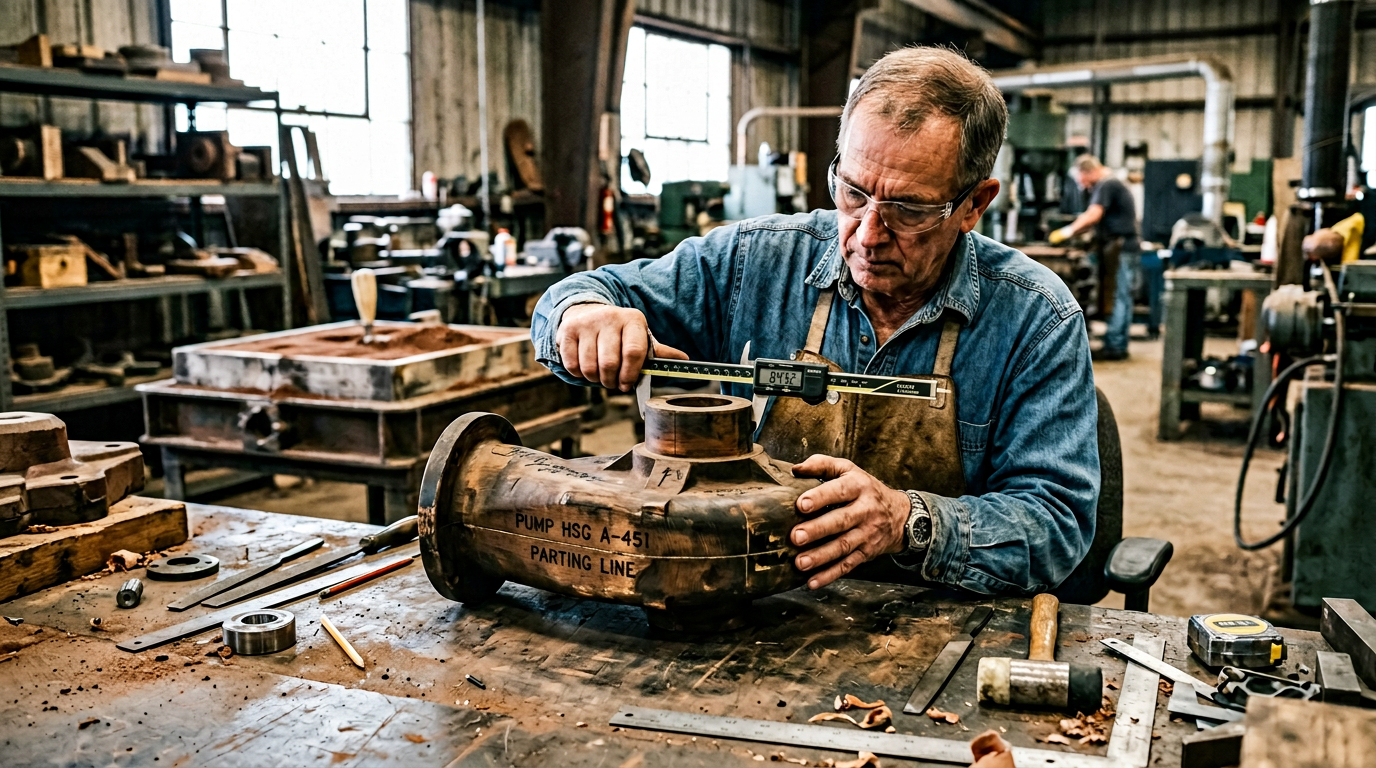
PSSI, a sand casting operation profiled in Modern Casting Magazine, cut their pattern-stage lead time from seven weeks to two and a half weeks by adopting hybrid 3D printing for pattern production. That’s a 60% compression of the single longest phase. Even without 3D printing, the principle holds: invest in getting the pattern right before committing to hard tooling, and use simulation data rather than rules of thumb for shrinkage compensation.
Manage Production Scheduling and Capacity Risk
Demand Forecasting
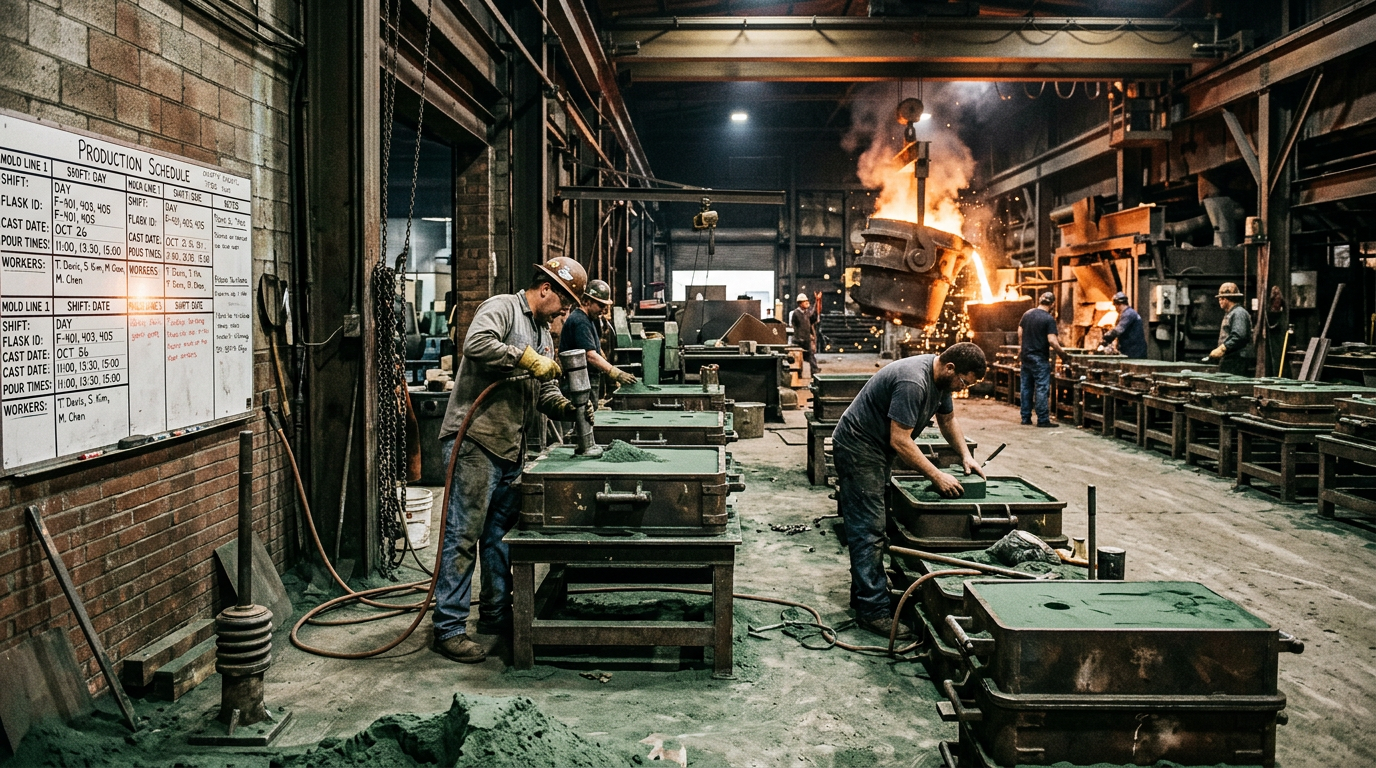
A busy foundry may quote 8 to 12 weeks for a simple grey iron casting that would take four weeks during a slow period. The difference is entirely queue time, not process time — and that’s the variable most buyers ignore until it hits them.
Sharing your six-month purchase forecast with your foundry allows them to allocate capacity in advance. I’ve seen procurement teams save weeks simply by giving their foundry visibility into upcoming orders rather than dropping POs with “rush” flags. Foundries plan melting schedules, pattern storage, and labor allocation around known demand. Surprise orders go to the back of the line.
Parallel Operations
If your casting requires CNC machining, the machining programming and fixture design can begin while castings are still in production — provided your foundry and machine shop are coordinating. This overlap alone can cut two to three weeks from the back end of a project.
Single-source suppliers that handle both casting and machining in-house eliminate the handoff gap entirely. When casting and machining are separate vendors, the transition alone — shipping, incoming inspection, queue re-entry — adds two to three weeks that most project plans underestimate.
Foundry plant availability in some operations runs as low as 65% against targets of 80% or higher. Equipment breakdowns, material shortages, and maintenance gaps are real capacity risks. Before committing to a production timeline, ask your foundry about their current capacity utilization and any scheduled maintenance windows that could affect your order.
Prevent First-Article Rejection Loops
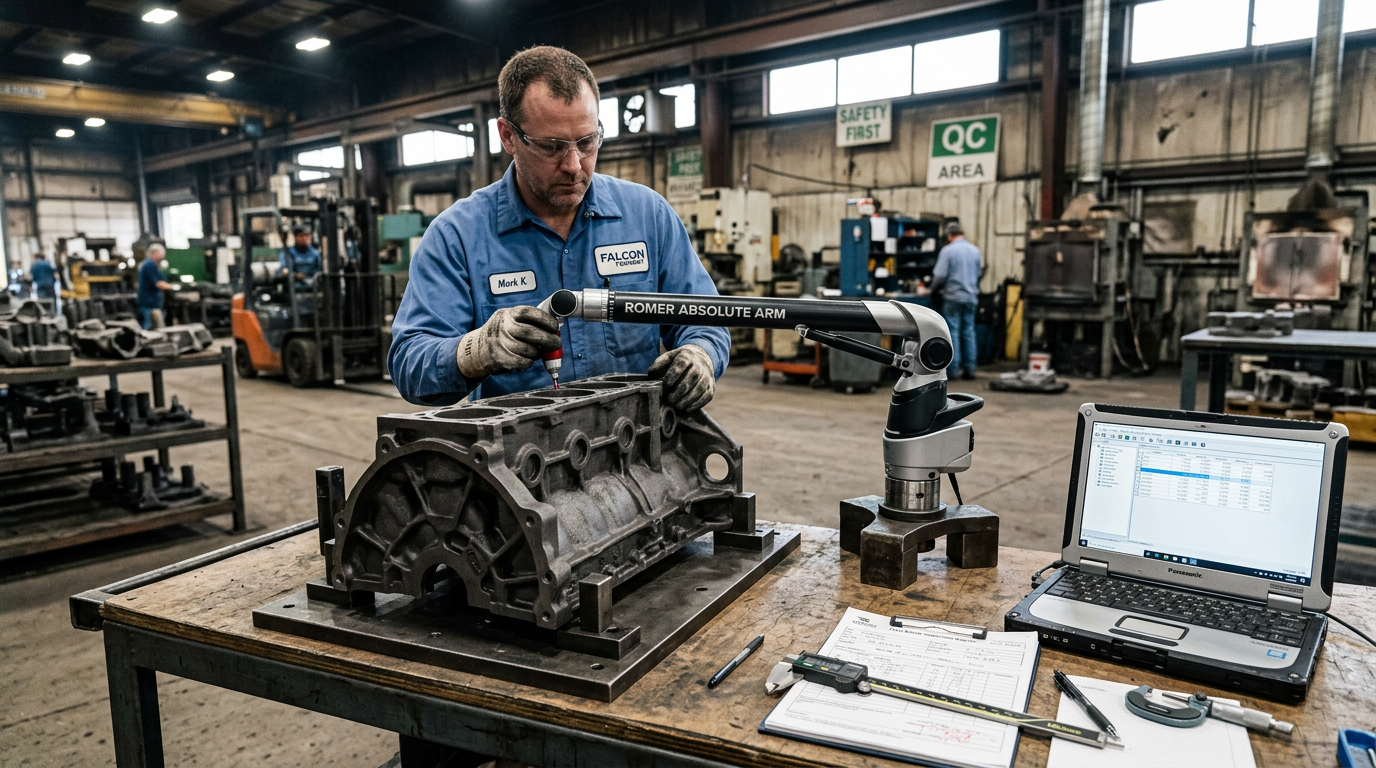
A rejected first article doesn’t just cost a sample — it restarts the correction-approval cycle. Pattern modification, re-pour, re-inspect, re-submit. Each loop adds weeks to the timeline, and some projects go through two or three loops before parts meet spec.
Bob Mueller’s process for Komatsu heavy equipment castings achieved a first-time-right rate in the high 90s percent — not by luck, but through rigorous upfront engineering collaboration. The foundry and Komatsu’s engineering team aligned on every critical dimension, material property, and testing requirement before a pattern was ever cut.
The lesson for any casting buyer: front-load the engineering conversation. Share your application context, not just your drawing. Explain what the casting does, what loads it carries, and where it interfaces with other components. A foundry that understands the function — not just the geometry — makes better gating and risering decisions that produce dimensionally accurate castings on the first pour.
Specify your first-article inspection criteria in the PO, including which dimensions to measure, what NDT to run, and what the acceptance threshold is. Ambiguity in approval criteria is the second most common cause of rejection loops, after dimensional failure itself.
Build Prevention Into the Timeline, Not Recovery
Expediting feels productive — rush fees, overtime authorization, priority queue bumps. But expediting shifts queue position, not physical process time. The metal still needs to solidify. The pattern still needs machining. You’re paying a premium to cut in line, not to actually speed up production.
The projects I see finish on schedule consistently share one pattern: they invested more time at the front of the timeline and less time recovering at the back. A thorough RFQ package, a standalone DFM review, explicit first-article criteria, and a six-month demand forecast are four actions that cost almost nothing in time or money — and collectively compress more schedule risk than any amount of expediting after the fact.
Start your next casting project by asking one question: “What does my foundry need from me to avoid a single clarification call?” If you can answer that honestly and deliver it, you’ve already eliminated the most common delay in the process.